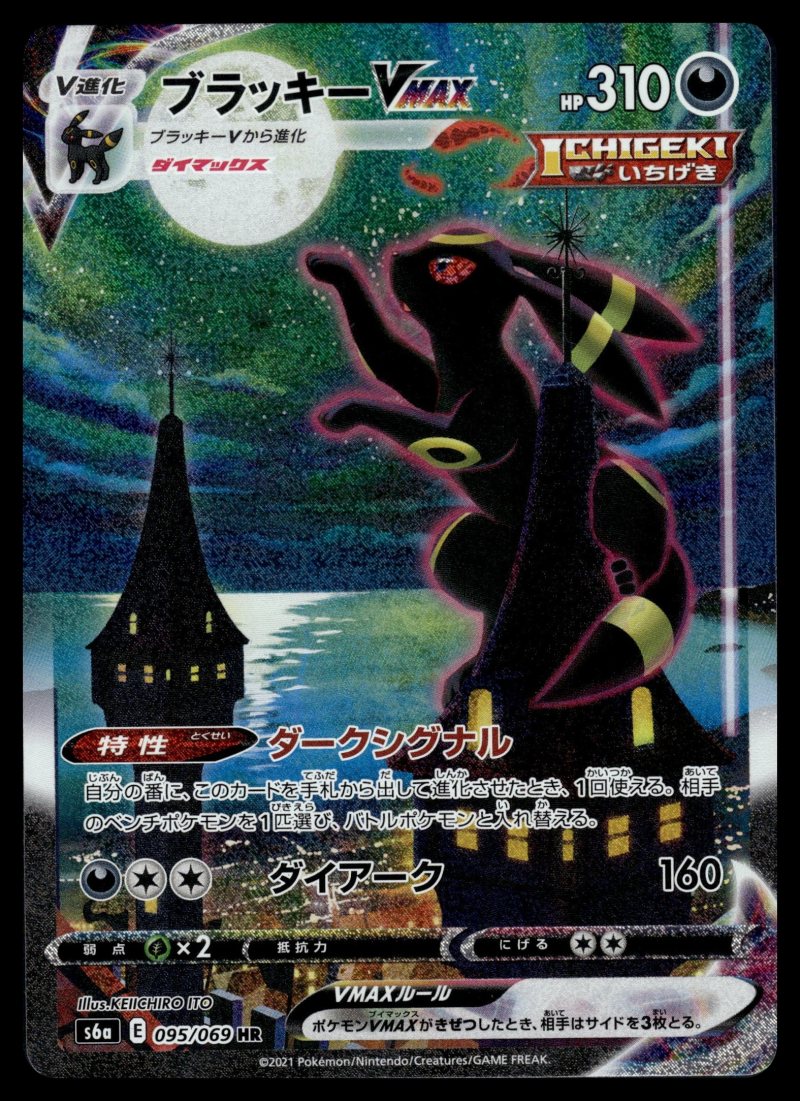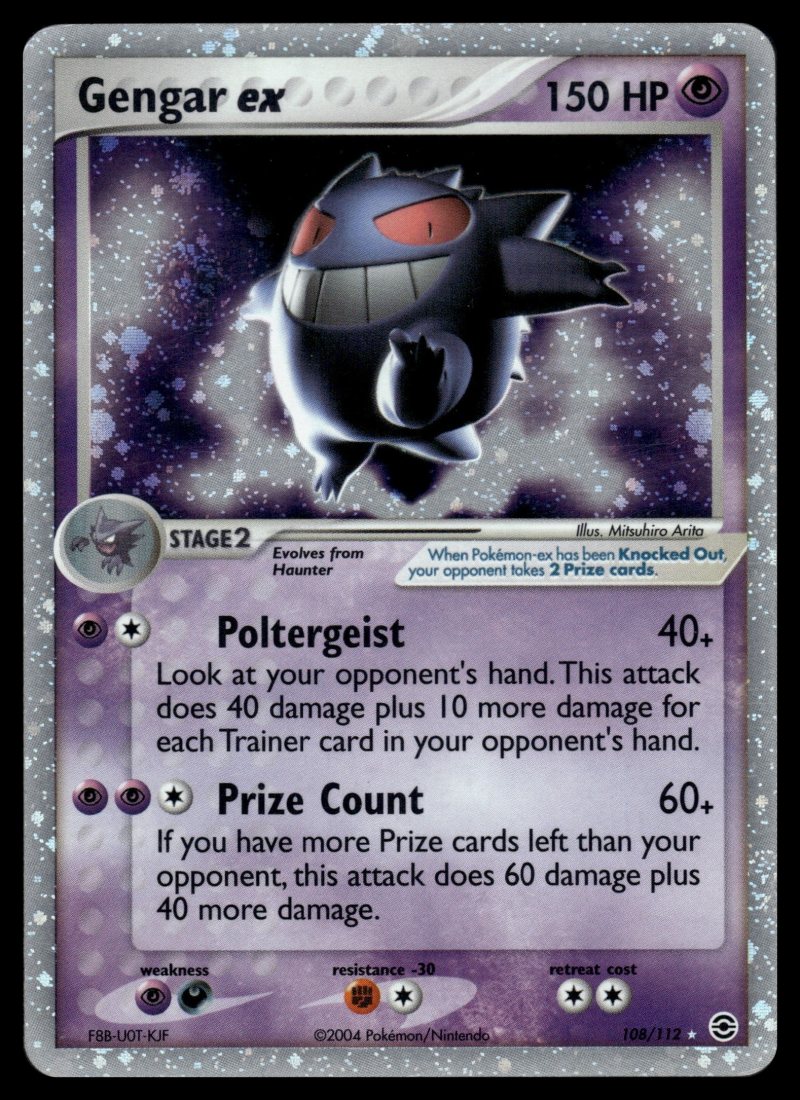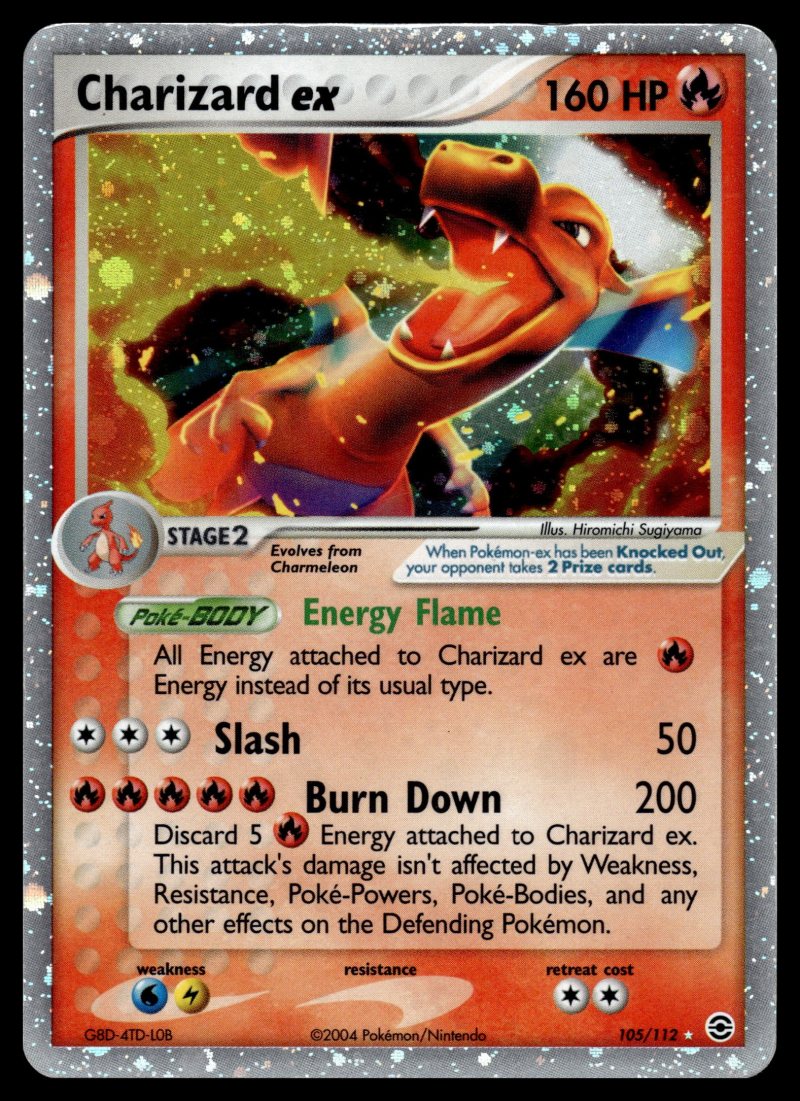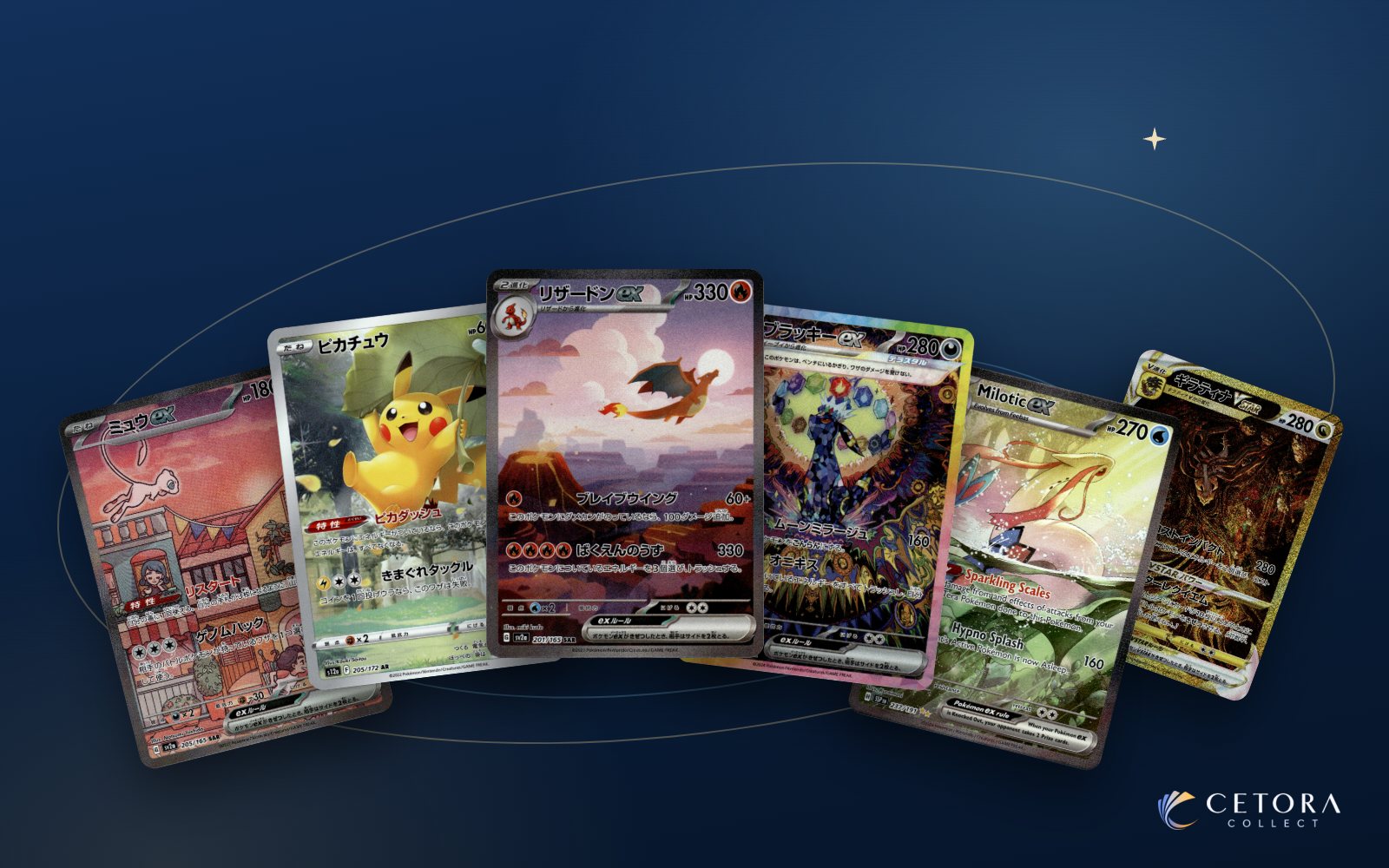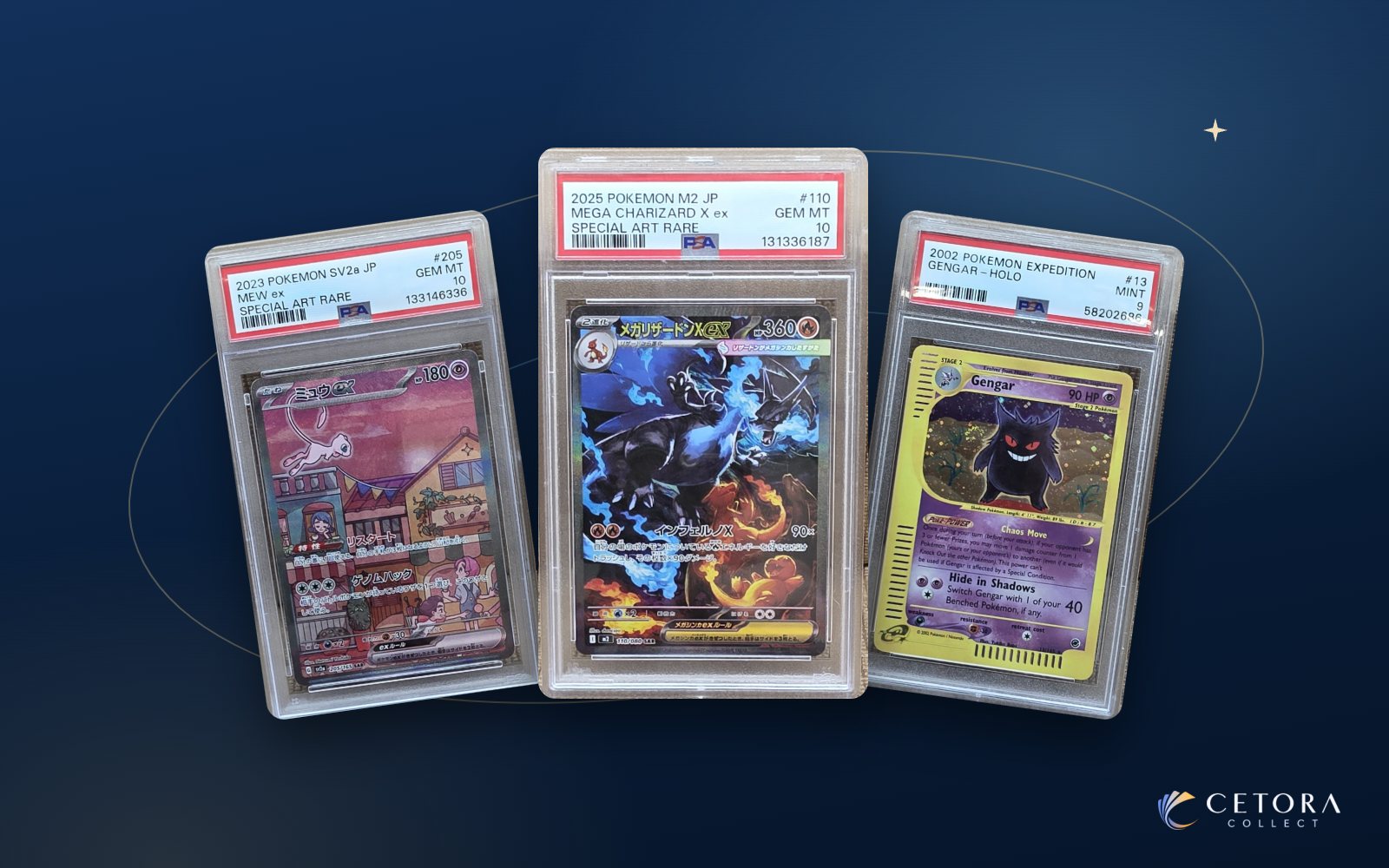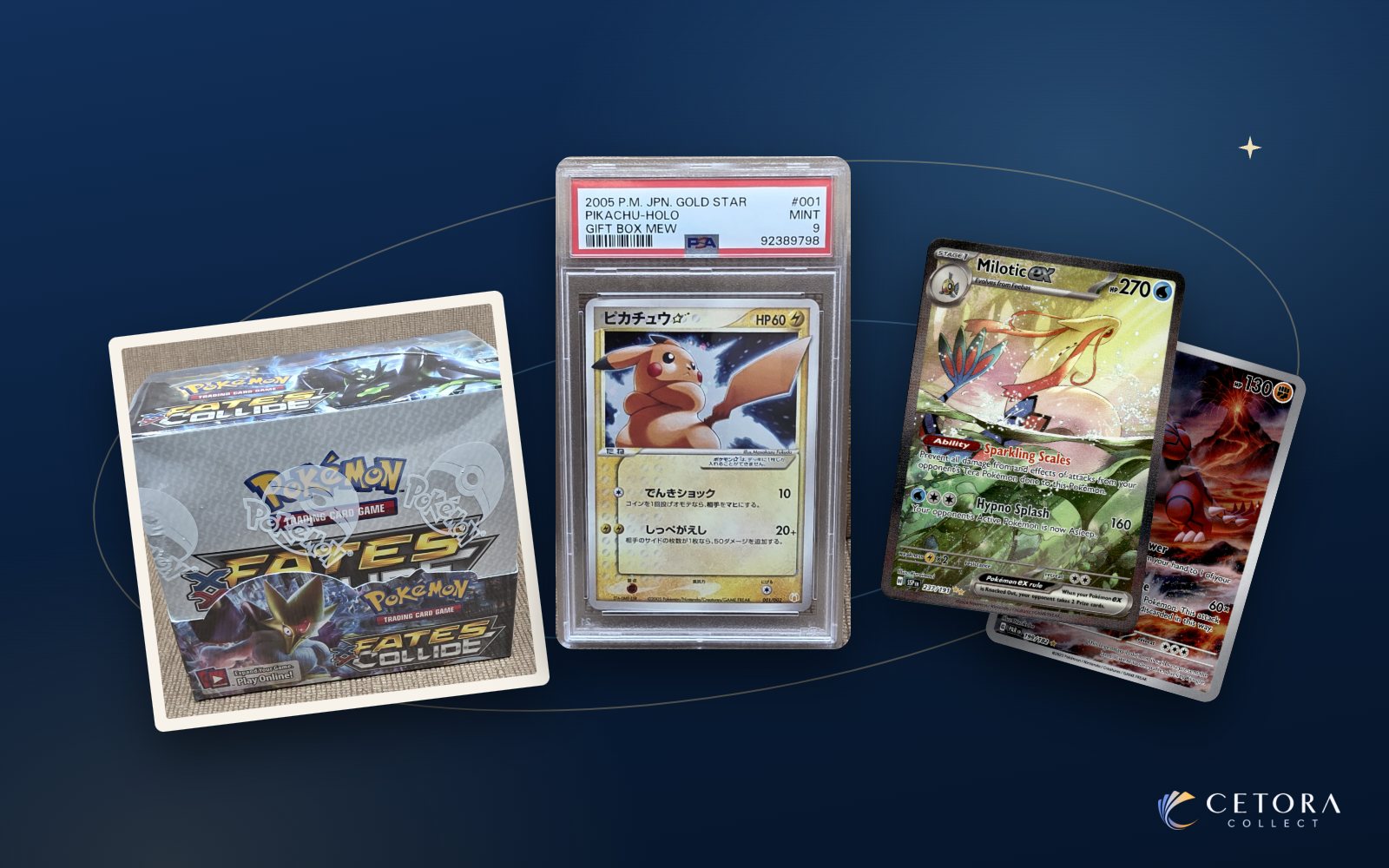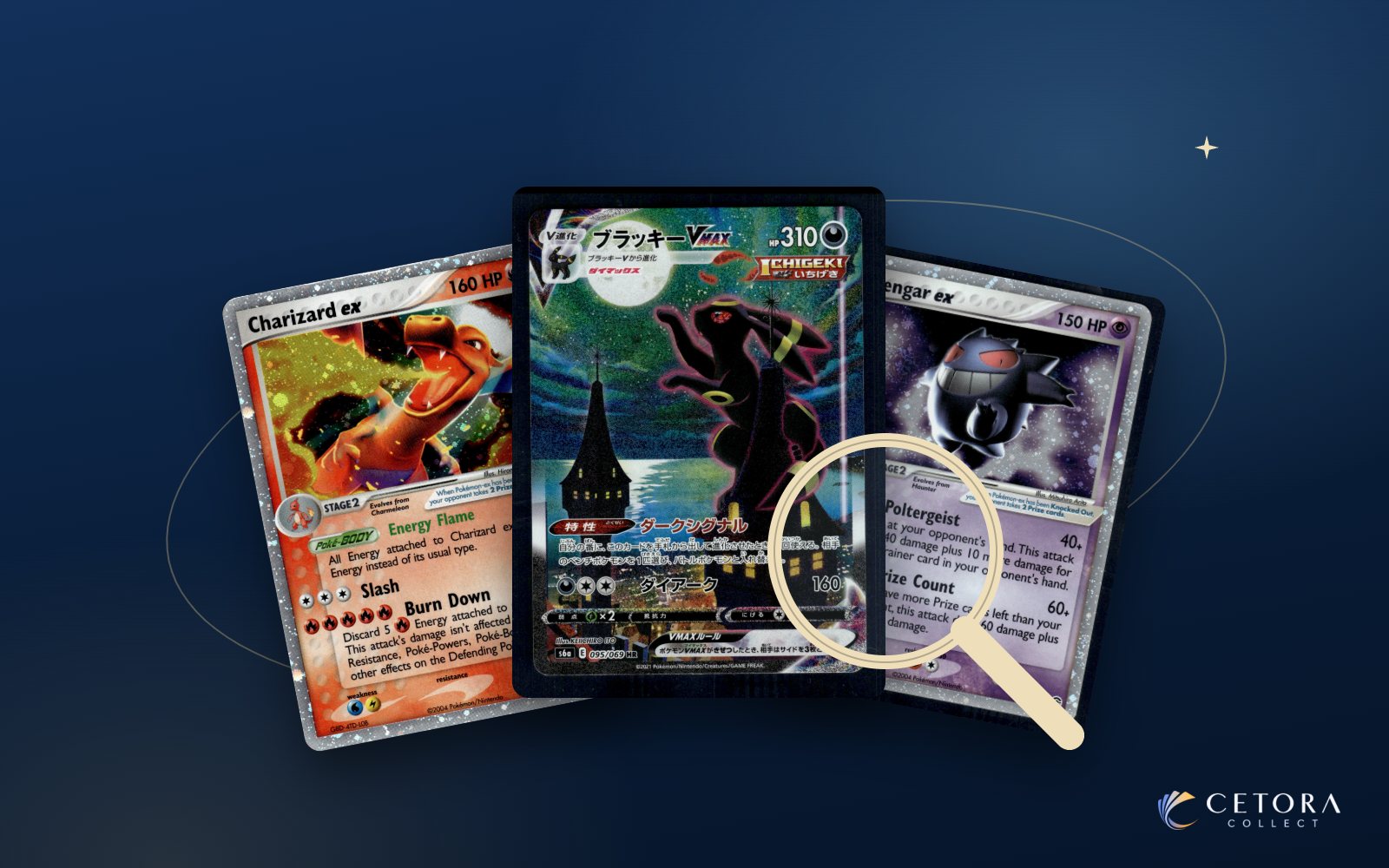
You've found a binder of cards in a box, inherited a collection or opened a few recent booster packs, and one question keeps coming up: how much are these Pokémon cards worth? The answer can range from a few centimes to several thousand francs for two cards that look alike at first glance.
Good news: you don't need to be an expert to value a card. All it takes is a method, and knowing where to look. This guide walks you through it step by step, with the price sources collectors use and the mistakes that skew most valuations.
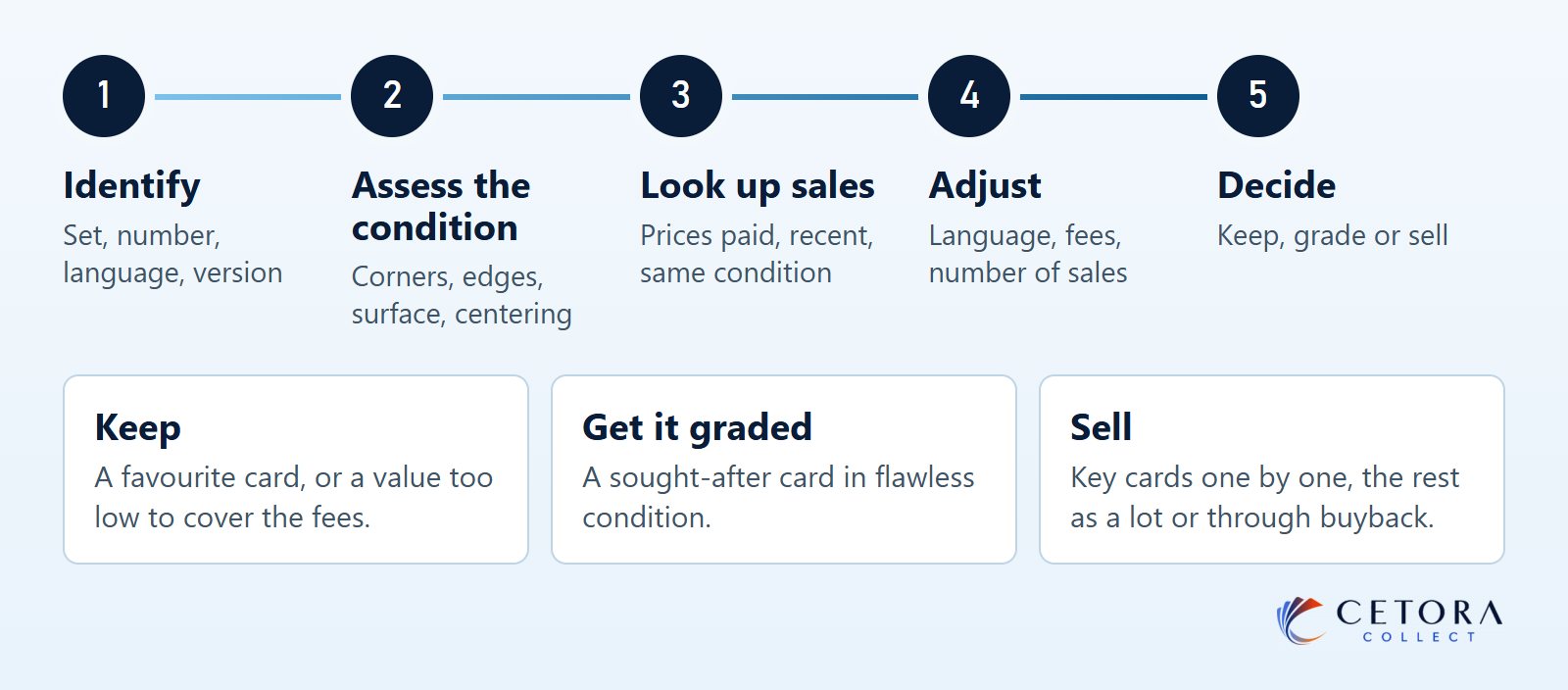
1. Identify the card precisely
This is the most important step, and the one most often rushed. The same Pokémon exists in dozens of versions: different sets, languages, rarities and finishes. Searching for “Charizard” isn't enough; you need to find your exact card.
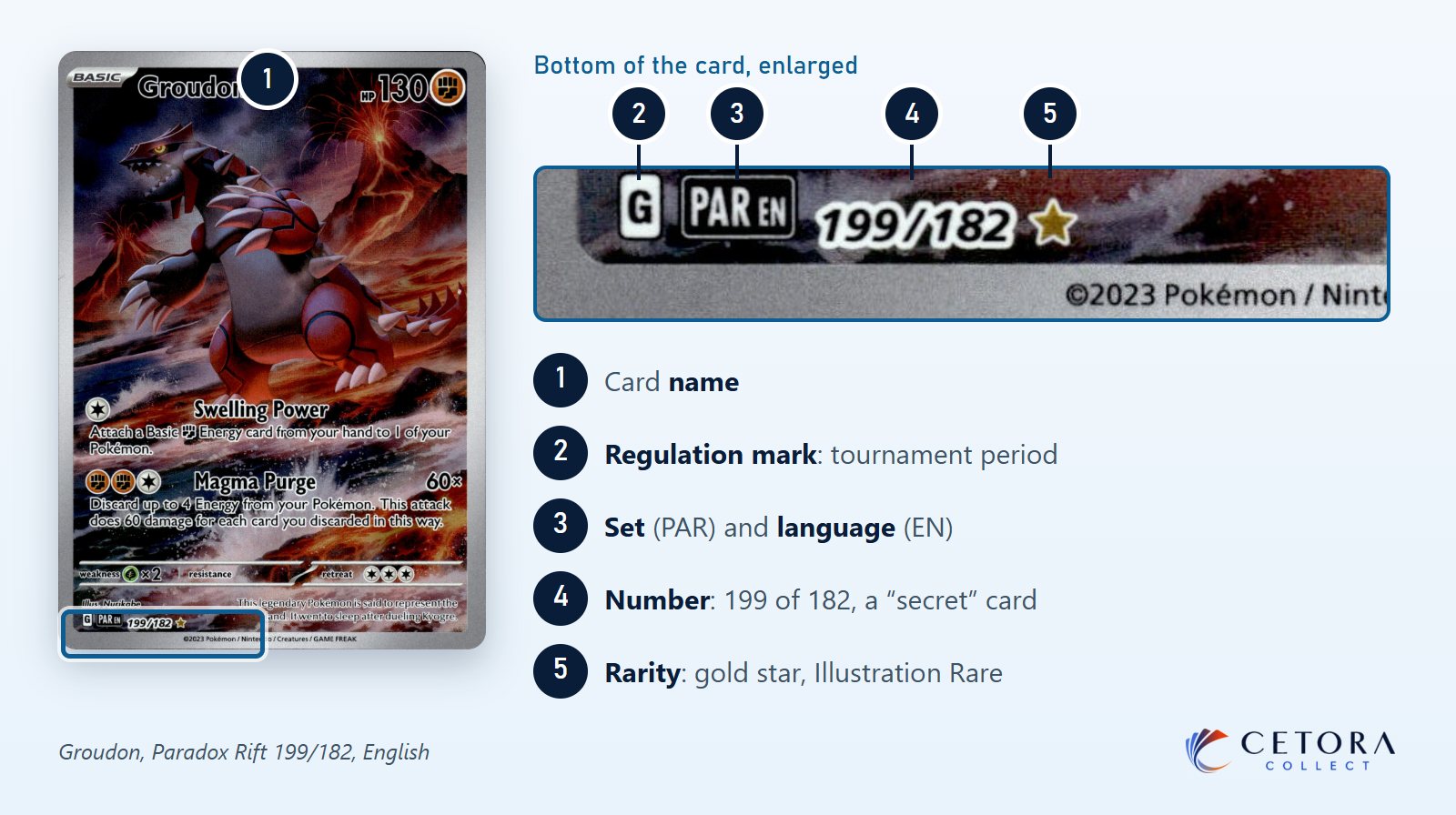
The set and the number
On recent cards, the bottom of the card shows a set code (for example “PAR” for Paradox Rift, Faille Paradoxe in French) and a number such as 199/182. The first number is the card's number, the second the number of cards in the main set. A number higher than the total indicates a so-called “secret” card, which is often more sought after.
On older cards, the set is indicated by a small symbol, usually below the artwork or at the bottom right. Together with the number, it lets you find the card in a database or on a sales platform.
The language
The same card is not worth the same in English, French, Japanese or another language. The markets are different: number of copies printed, interested collectors, print quality. Always check that the prices you are looking at are for the same language as your card.
The edition and the variant
A few details change everything, especially on older cards:
- the “1st Edition” / “Édition 1” stamp, found on the first print runs of certain series from 1999 to 2002, on the left below the artwork;
- the “shadowless” versions of the English Base Set, with no shadow along the right edge of the artwork frame. This print run exists only in English. On the English Base Set, prices generally follow this order: first edition, then shadowless, then the regular print run (“Unlimited”);
- the finish: a holographic card (foil on the artwork) and its “reverse” version (foil around the artwork) are not priced the same;
- promos and reprints: a card may exist with an event stamp, in a collection box, or reprinted years later with a different copyright.
2. Understand rarity
Each card has a rarity symbol at the bottom, next to its number. Since the Scarlet & Violet series (2023), English and French cards have used the symbols below; Japanese cards indicate rarity with a code.
| Symbol | Rarity | Japanese code |
|---|---|---|
| Black circle | Common | C |
| Black diamond | Uncommon | U |
| Black star | Rare | R |
| 2 black stars | Double Rare (Pokémon ex) | RR |
| 2 silver stars | Ultra Rare (“full art” Pokémon ex and Supporters) | SR |
| 1 gold star | Illustration Rare (artwork covering the whole card) | AR |
| 2 gold stars | Special Illustration Rare (Pokémon ex and Supporters with artwork covering the whole card) | SAR |
| 3 gold stars | Hyper Rare (gold cards) | UR |
So the Groudon 199/182 shown above has one gold star: it is an Illustration Rare. Other symbols have appeared since then for special rarities. Watch out for false friends on Japanese cards: there, “SR” means an Ultra Rare, and “UR” a Hyper Rare.
Be careful, though: printed rarity does not determine value. An ultra rare card from a mass-printed set can be worth less than a “merely” rare card from an old series. What matters is the balance between the number of copies available and the number of collectors looking for them. We go into this in detail in our guide on analysing the potential of a card or a sealed product.
3. Assess the condition
For the same card, condition changes the price dramatically. A perfect card can be worth several times the price of the same card with slight wear.
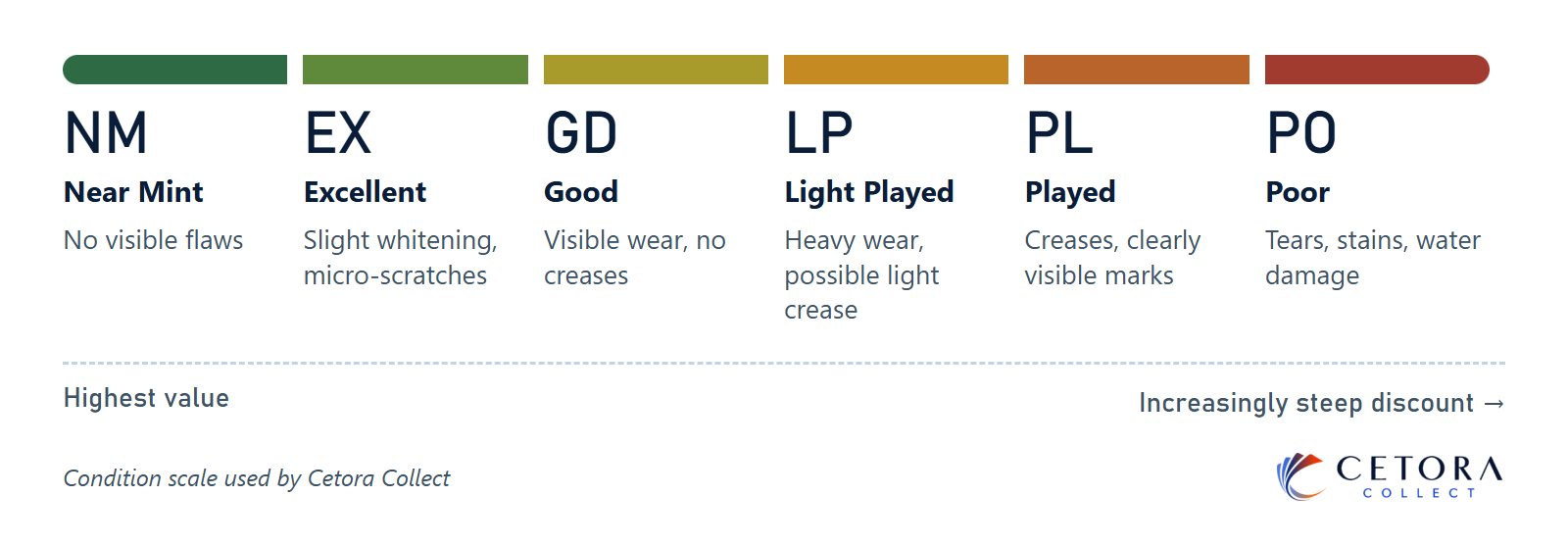
To assess a card honestly:
- examine it out of its sleeve, under bright, direct light, tilting it to reveal scratches and marks;
- look at the back: the blue border reveals even the smallest white chip;
- check the four corners, the edges, the surface (scratches, fingerprints, creases) and the centering of the artwork;
- if you are torn between two conditions, go with the lower one: that is the one a buyer will go with.
Also beware of abbreviations, which don't mean the same thing everywhere. On Cardmarket, as on the scale above, “LP” (Light Played) refers to a card that is more worn than “Good”. On American sites, by contrast, “LP” (Lightly Played) refers to a card with only light wear. Before comparing two prices, check which scale each seller uses.
A useful tip: never try to “clean” or flatten a card with a product or with heat. The slightest extra damage will cost you more than the dust you wanted to remove.
4. Asking price or actual sale price
This is the most common mistake: looking at current listings and concluding that your card is worth the asking price. Yet a seller can list at any price they like. Only completed sales tell you what buyers are actually willing to pay.
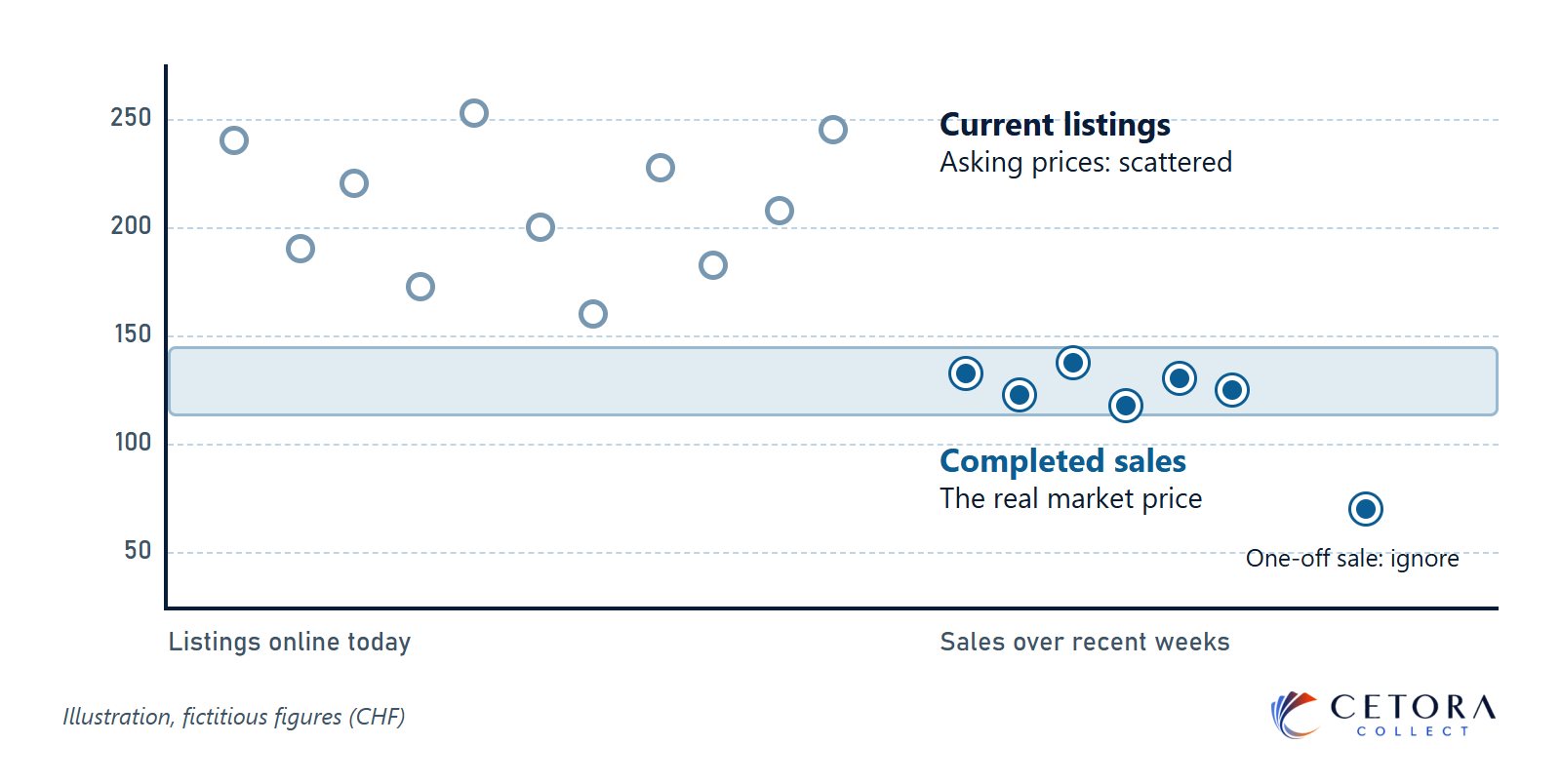
The gap can be considerable. TCGplayer, the major American marketplace, illustrates this with a numerical example: a card whose median listed price reaches $654.72, almost double the price of its recent sales, $354.66. The explanation is simple: every time a seller lists it close to its true price, it sells straight away, and only the overpriced listings remain online.
Keep three rules in mind:
- work from recent sales (a few weeks, a few months at most): the market moves;
- compare cards in the same condition and language;
- set aside outliers, whether very high or very low: a bidding war or a damaged card skews the average.
5. The price sources to check
No source is perfect; cross-checking them gives you a reliable picture.
Cardmarket
The leading European marketplace for trading cards. Each card has its own page there, with current offers by condition and language, and a price guide calculated from sales made on the platform: the “From” price (the cheapest offer at the moment), the price trend and the average prices over 30 days, 7 days and 1 day. It is the most relevant reference for a card in French or English sold in Europe. Remember to filter by language and condition.
eBay: sold listings
On eBay, current listings are no use; on the other hand, the “Sold items” filter (its exact label depends on the version of the site) shows the prices actually paid, but only for the last 90 days. eBay now requires you to be signed in to use it. For sellers, the free Product Research tool shows three years of sales, including the actual price of accepted offers. The 130point website also lists sales from eBay and from major auction houses. This is often the best reference for graded cards and Japanese cards.
Collectr for graded cards
To value a graded card, we recommend the Collectr app (iOS, Android and web). It covers ungraded and graded cards alike, with prices calculated daily from real sales, several years of price history and population data. Basic use is free; a paid version adds unlimited scanning and the longest history, among other things.
There are other benchmarks too: for PSA-graded cards, PSA's “Auction Prices Realized” database lists the prices achieved at auction, grade by grade; in the United States, TCGplayer's “Market Price” reflects recent sales on that platform. These figures are often expressed in dollars and calculated on the American market: use them as a rough guide, and always confirm an estimate with recent sales of the same card in the same grade.
Ricardo and the Swiss market
In Switzerland, Ricardo lets you sell to the country's collectors. The sales volume per card is lower there, which makes comparisons less reliable than in Europe or the United States, but it shows what Swiss buyers are willing to pay.
Convert and compare
A price in euros or dollars is not directly a price in francs. Take into account the exchange rate, but also the shipping costs, import VAT and customs clearance fees that a Swiss buyer would pay to bring the same card in from abroad.
6. The effect of grading: PSA, BGS, CGC
A “graded” card has been authenticated and given a grade by a specialist company, then sealed in a rigid case with a label. The best known are PSA, BGS (Beckett) and CGC. The grade, out of 10, completely changes the price: for a sought-after card, a grade 10 can be worth up to double a grade 9, sometimes more.
So, to value a graded card, only compare sales from the same company with the same grade; the Collectr app gives you this estimate quickly, grade by grade. And to find out whether your ungraded card is worth grading, read our guide Getting a Pokémon card graded: PSA, BGS or CGC?
7. A worked example of a valuation
Let's take a fictitious card: a recent Illustration Rare, in English, which you judge to be in Near Mint condition after examining it. The amounts below are made up to illustrate the method.
| Recorded sale | Condition | Price paid | Include? |
|---|---|---|---|
| Sale 1 | Near Mint | CHF 92.– | Yes |
| Sale 2 | Near Mint | CHF 98.– | Yes |
| Sale 3 | Near Mint | CHF 95.– | Yes |
| Sale 4 | Near Mint | CHF 101.– | Yes |
| Sale 5 | Excellent | CHF 64.– | No: different condition |
| Sale 6 | Near Mint | CHF 149.– | No: outlier |
The four comparable sales range from CHF 92.– to CHF 101.–; the middle of the range is around CHF 96.–. This is the card's market value: what a buyer pays on average today.
This is not yet what you will actually get. If you sell it yourself, you will have to deduct the platform's commission (5% on Cardmarket, 10% on Ricardo, around 12% on eBay), then the shipping costs. If you sell it to a professional, the offer will be below the market value, since they have to resell the card while bearing their own costs and risk. On the other hand, you will have no listing, shipping or negotiation to deal with.
8. The mistakes that skew a valuation
- Trusting asking prices rather than completed sales.
- Mixing up two versions: a different set, a different language, reverse instead of holo, a reprint instead of the original.
- Overestimating the condition: a card taken out of a binder is rarely perfect.
- Relying on a single sale, or on sales that are too old.
- Comparing an ungraded card with graded card prices, or vice versa.
- Forgetting the costs: commissions, shipping, insurance, currency exchange, customs.
- Believing that an old card is necessarily valuable: most of the common cards from the 2000s are worth little, even in good condition.
9. When should you have a card graded?
Grading costs money, takes time and does not guarantee the grade you are hoping for. It is mainly worthwhile for a sought-after card, in flawless condition, whose graded version sells for significantly more than the ungraded version. For the vast majority of cards, this is not the case: the card sells just as well, or even better, as it is. The full calculation is set out in our grading guide.
10. When should you sell a card ungraded?
Selling a card “raw”, meaning without grading, is often the best option:
- when its value is too low to absorb the cost of grading;
- when its condition is not perfect: an average grade adds nothing, and may even lower the price;
- when you want to sell quickly, without waiting several weeks or months for processing;
- when the card is part of a collection you want to sell all at once.
11. How Cetora values a collection
When you offer us a collection, you don't need to know what your cards are worth. You describe what you have and add a few photos; we do the work of identifying and valuing the cards, then make you an offer.
In practice, we look at the same factors as those described in this guide:
- the identification of each important card: set, number, language, version;
- its condition, based on your photos and then on receipt;
- comparable recent sales and current demand for the card;
- the size of the collection: ordinary cards are valued as a lot, key cards individually.
You then receive an offer by email, and you remain free to accept it or not. If it suits you, we agree together, by email, on how the cards will be sent and paid for.
Frequently asked questions
How much is a Pokémon card from 1999-2000 worth?
It depends entirely on the card. Most of the common cards from that era are worth little, even in good condition. Holographic cards from the early series, on the other hand, especially with the “1st Edition” stamp or in the “shadowless” version, can be worth a lot, provided they are in very good condition.
Are Japanese cards worth less than English cards?
Not necessarily. Some Japanese cards, exclusive to Japan or highly sought after for their print quality, are worth more than their English equivalent. Always compare with sales in the same language.
Is a card-scanning app enough?
It helps you identify a card and get a first rough estimate. But it cannot see the actual condition of your copy and often relies on foreign prices. Always check recent sales before selling or buying.
My card is damaged: is it still worth anything?
For highly sought-after cards, yes: even a worn copy will find a buyer, at a much lower price. For ordinary cards, a damaged card generally has only token value.
Should you sell a whole collection or card by card?
Selling card by card often brings in more for the key cards, but takes a lot of time. For a complete collection, a mixed approach is common: sell a few valuable cards yourself and part with the rest in one go. Our guide Selling your Pokémon cards in Switzerland compares all the options.